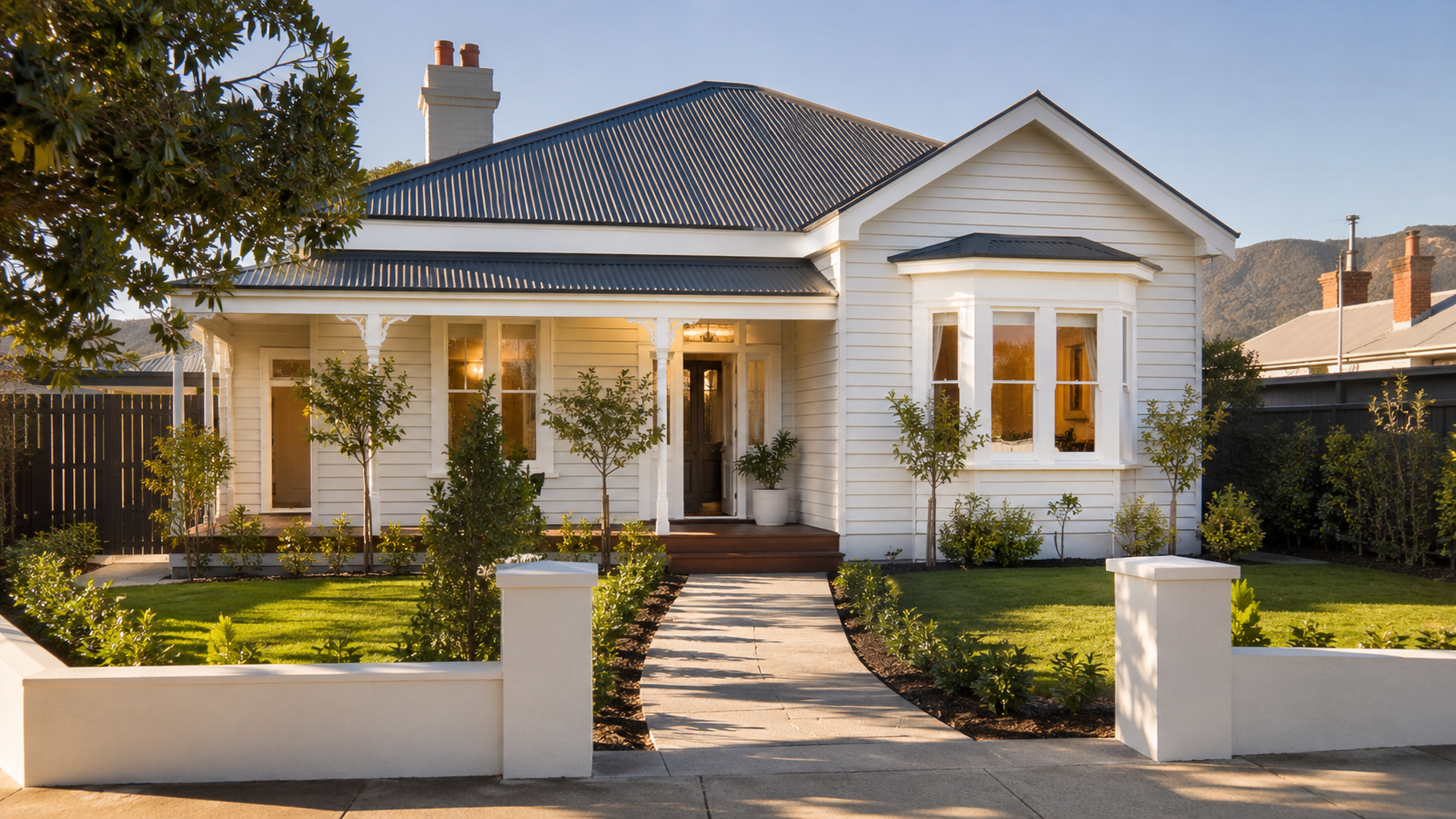
A renovated kitchen can make a home feel instantly better. New benchtops, cleaner cabinetry, better lighting. Lovely.
But does it always lift the property’s value?
Not necessarily.
The trap is thinking every dollar spent on a renovation comes back at sale time. It doesn’t. Some upgrades help a property sell faster or attract stronger interest, but that’s not the same as adding the full cost of the renovation to the final price. A $45,000 kitchen doesn’t automatically make a home worth $45,000 more. Sometimes it does less. Sometimes, if the old kitchen was truly awful, it does more.
That’s where planning matters. Not the fun mood-board kind. The boring kind. Budget, buyer demand, local price ceilings, loan structure and how long the owner plans to hold the property.
Buyers Notice Practical Problems First
A fresh coat of paint can hide plenty in photos, but it won’t distract serious buyers from a leaking tap, poor drainage or a bathroom that smells like trouble. Maintenance issues make people nervous. Nervous buyers lower their offers.
There’s a simple order that usually makes sense: fix the things that could scare buyers first, then worry about the pretty finishes.
For example, an owner renovating an older terrace in inner Sydney may call a plumber Redfern locals use before spending money on new tiles or tapware. Redfern has plenty of character homes, but character can also mean ageing pipes, tight access and surprise repair bills. Not glamorous. Still important.
That kind of work often sits behind the walls, so it doesn’t get much attention on inspection day. But it can protect a property from being marked down once a building report lands in the buyer’s inbox.
The Best Renovations Match the Market
A renovation should suit the suburb, the property and the likely buyer. Sounds obvious. People still get it wrong.
A family home near schools might benefit from an extra bedroom, better storage or a second bathroom. An apartment aimed at young professionals may get more value from clever joinery, good lighting and low-maintenance finishes. A rental property needs durable choices that can handle real life, not delicate fittings that look great for three months and then start sulking.
Hobart buyers, for instance, often care about warmth, functionality and efficient use of space. The city also has many older homes where a heritage property needs careful renovation choices, especially when owners want modern comfort without stripping away the character that made the home appealing in the first place.
The point is simple. Spend for the buyer, not just personal taste.
Lifestyle Features Can Help, But They’re Not Magic
Lifestyle upgrades can absolutely add appeal. Outdoor entertaining areas, garden improvements, decks, patios and pools all help people imagine a better version of daily life.
That said, they need to make sense for the property. A pool that takes up the entire backyard may turn off families who want lawn space. A large entertaining area with no shade can feel unfinished. A high-maintenance garden may look beautiful, but some buyers will only see weekend chores. Fair enough.
In coastal NSW, homeowners looking at plunge pools Wollongong options may be thinking about compact outdoor living that suits smaller blocks and warmer weather. Wollongong’s lifestyle makes that type of feature easier to understand. Put the same idea in a cooler location or on a block where space is already tight, and the value equation may change.
Lifestyle features work best when they feel natural, not forced.
Overcapitalising Is Easier Than People Think
This is the renovation mistake that catches people out.
Overcapitalising means spending more on a property than the market can reasonably return. It often happens slowly. A better appliance here. Upgraded stone there. Custom cabinetry because, well, it looked good in the showroom. Suddenly the renovation budget has crept so far above the original plan that the property needs a dream sale just to break even.
That’s risky.
Every area has a price ceiling. If similar renovated homes nearby sell within a certain range, one home usually can’t push far beyond that just because the owner chose premium finishes. Buyers compare. Valuers compare. Lenders compare too.
A renovation budget should start with recent comparable sales, not just the owner’s wish list. That’s not very romantic, but it saves money.
Cosmetic Changes Still Matter
Not every valuable improvement needs a builder, a large loan or months of dust through the house.
Small cosmetic updates can make a big difference when the basics are already sound. Fresh paint, updated handles, modern lighting, clean flooring and tidy landscaping can lift the feel of a property without blowing the budget.
Street appeal counts too. Buyers often decide how they feel about a home before they reach the front door. A neat garden, clean entry and well-maintained exterior can create confidence before anyone sees the kitchen.
The trick is restraint. A simple, well-finished home usually beats one that tries too hard.
Renovation Finance Needs a Clear Purpose
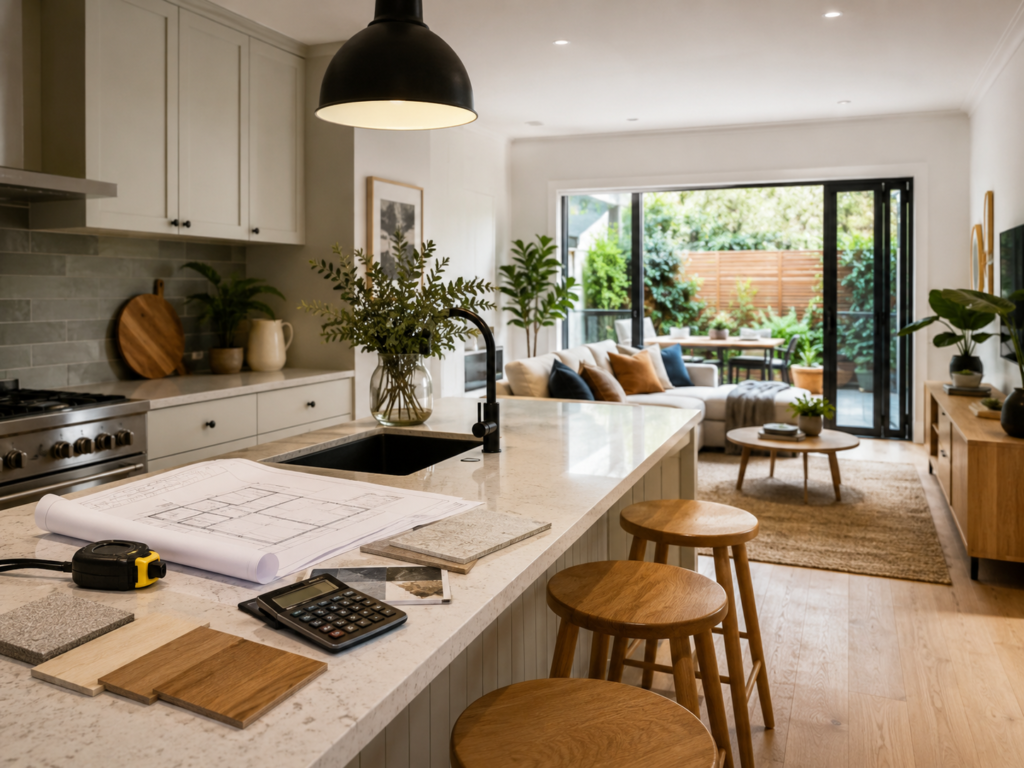
Borrowing to renovate can make sense, but only when the numbers support the plan. Some homeowners use equity to fund improvements. Others look at refinancing, construction loans, personal loans or redraw options, depending on the scale of the work.
The right structure depends on the project and the borrower’s position. A bathroom update, full extension and pre-sale refresh all carry different risks. They also need different levels of planning.
It’s worth thinking about timing too. Renovating just before selling can work, but rushed decisions often cost more. Renovating to improve long-term liveability gives the owner more time to enjoy the result, even if the market return takes years to show.
There’s no single rule. Annoying, but true.
Value Comes From Solving the Right Problem
The best renovations usually do one of three things. They fix a problem, improve how the home functions or make the property more appealing to the buyers most likely to want it.
That’s it.
A renovation doesn’t need to be flashy to add value. Sometimes the smartest money goes into warmth, storage, layout, repairs or low-maintenance finishes. Sometimes it goes into a standout kitchen or outdoor space. The difference is whether the upgrade suits the property and the market around it.
Renovations can increase property value. Plenty do. But they don’t do it automatically, and they don’t forgive poor budgeting. A good renovation has a job to do. When it does that job well, the value has a much better chance of following.